

Every time a vehicle crosses a bump, takes a corner or brakes, its suspension and steering systems encounter different loads. The ball joint within these systems carries load and moves as the wheels respond to the road. It may be a small component, but it plays an important role in handling and driving safety.
A ball joint’s durability can be observed in real-world use. But when a problem appears on a vehicle, it can mean warranty and service costs for the manufacturer and a safety risk for the driver. Fatigue testing examines how a part responds to repeated loads under controlled conditions before the vehicle reaches the road.
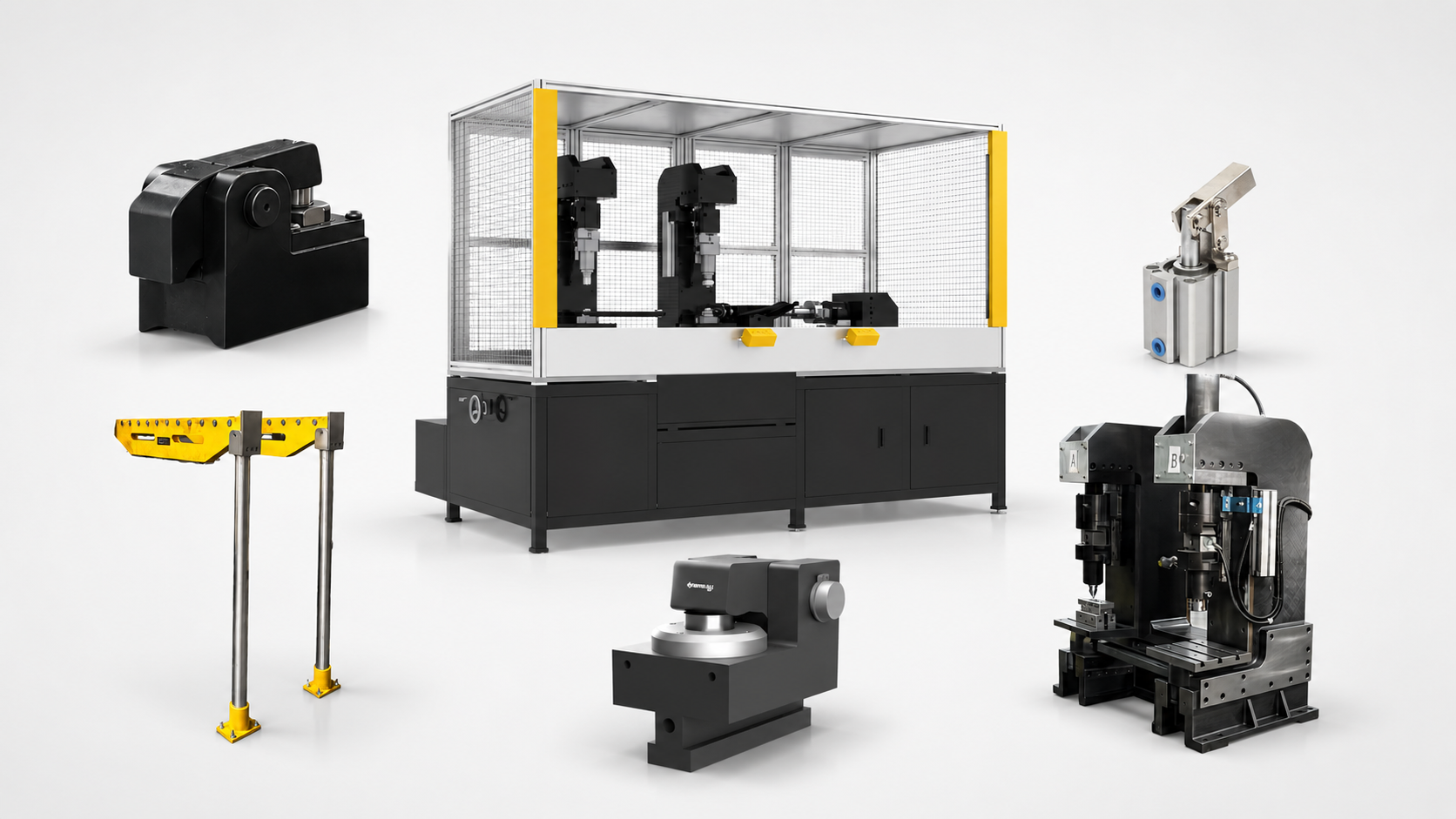
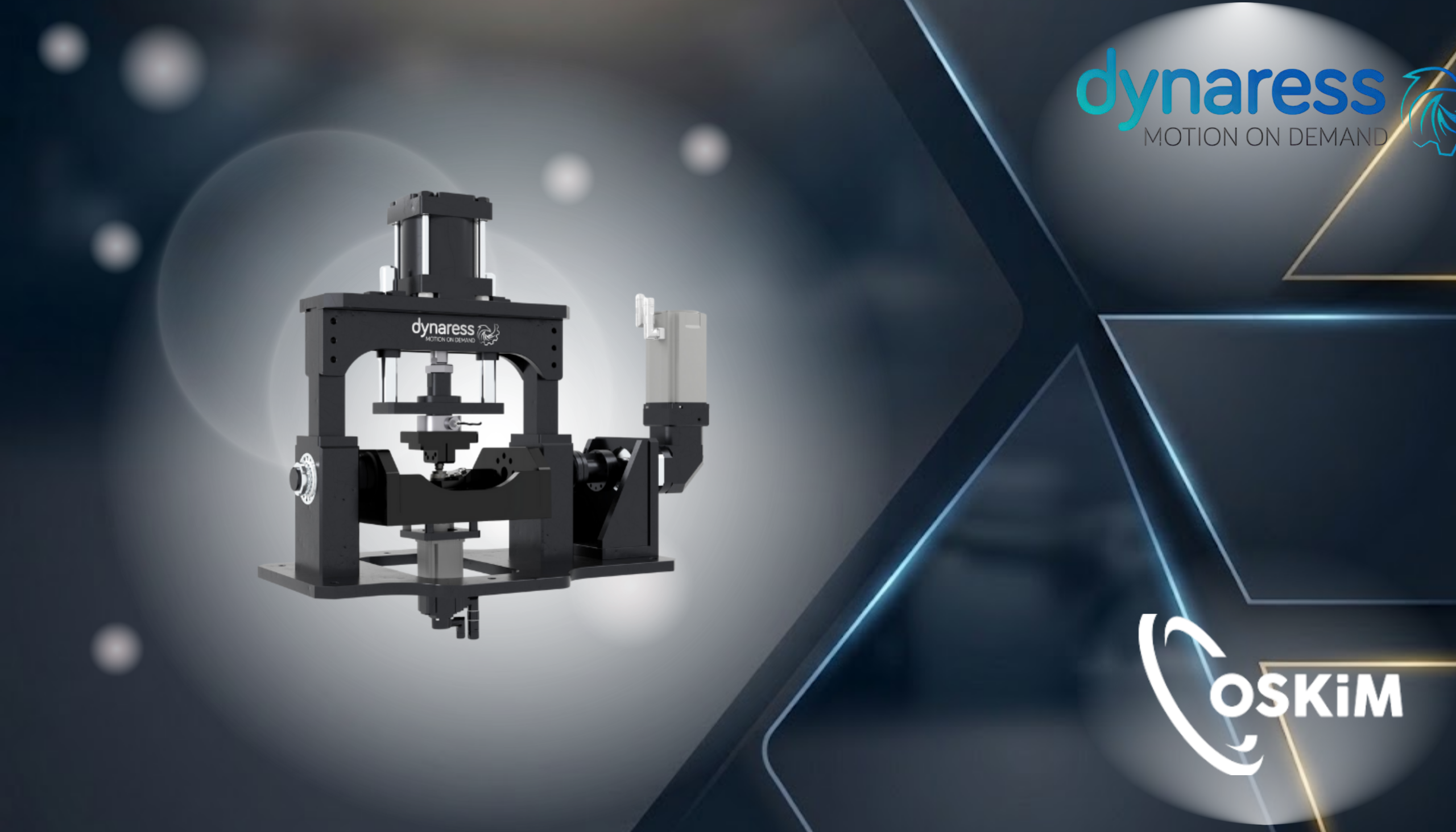
Dynaress developed its ball joint fatigue test system for this purpose. You can explore the system on our test systems page. This article focuses on what the test evaluates and how it supports manufacturers.
Why does a ball joint wear?
A ball joint is a spherical joint that connects the suspension and steering systems. It allows the wheel to move with the suspension while also changing direction. Repeated movement and loads during vehicle use can gradually wear the components inside the joint.
As wear progresses, play may develop or the joint’s operating behavior may change. This can show up as noise, a change in steering feel or altered suspension behavior. The symptoms vary from one vehicle to another, so durability should be assessed through measurements and test results as well as observation. Excessive wear or play is also considered a safety-related defect during vehicle inspections.
What does a fatigue test measure?
A fatigue test applies repeated loads to a part. The aim is to examine, under controlled laboratory conditions, the mechanical effects that build up over time in service. Load levels, motion profiles and cycle counts depend on the ball joint’s design and intended use, as well as customer or standard requirements.
The test does not simply check whether the part breaks. Engineers can also monitor joint play, resistance to movement and changes in performance. This shows how the part begins to change and under which conditions. Performance procedures such as SAE J1367 provide a reference for testing ball joints and spherical rod ends. Multiaxial test systems can also apply loads from different directions at the same time to assess durability and wear behavior.
Why apply loads from more than one direction?
On the road, a ball joint does not work in just one direction. Suspension movement, steering input and forces from road conditions all act on it. A test that loads the part along a single direction may therefore fail to represent the full range of real-world conditions.
Simultaneous loading across multiple axes aims to create a profile closer to the part’s operating conditions. The goal is not to place the part under the greatest possible stress, but to represent the loads it is expected to encounter. The direction and level of each load are defined by the test plan; different protocols may use different conditions.
What does testing give manufacturers?
Fatigue testing provides measurable results to support design and manufacturing decisions. When a material, grease, assembly fit or geometry changes, engineers can compare the effect on joint behavior through test results.
This helps identify potential weaknesses before mass production or field use. Manufacturers can refine the design, create test records that support customer validation and better understand the component’s operating limits.
Test results can also help avoid overdesign. Once engineers know the conditions under which a part meets its performance targets, design decisions can rely on measurement rather than assumptions. This supports a more informed balance between durability, weight and cost.
What happens if a part is not tested?
It would be inaccurate to say that an untested part will inevitably fail. However, when its behavior under repeated loads is not well understood, weaknesses are more likely to emerge after mass production or in the field. That can lead to further investigation, service and warranty costs, and in some cases product improvements or recalls.
Laboratory testing does not eliminate every risk. Real-world performance also depends on vehicle design, road conditions, driving style and maintenance. Even so, controlled testing provides an important way to compare component performance under defined conditions and base design decisions on evidence.
Measuring a component’s life
Ball joint fatigue testing asks more than “Did the part break?” It shows how the part responds to repeated loads, when its performance begins to change and under which conditions the design meets its durability targets.
For more information about Dynaress’ three-axis ball joint fatigue test system, which uses fully electric actuation without hydraulics, visit our test systems page.