

Why it is done, what it delivers, and what happens when it is skipped
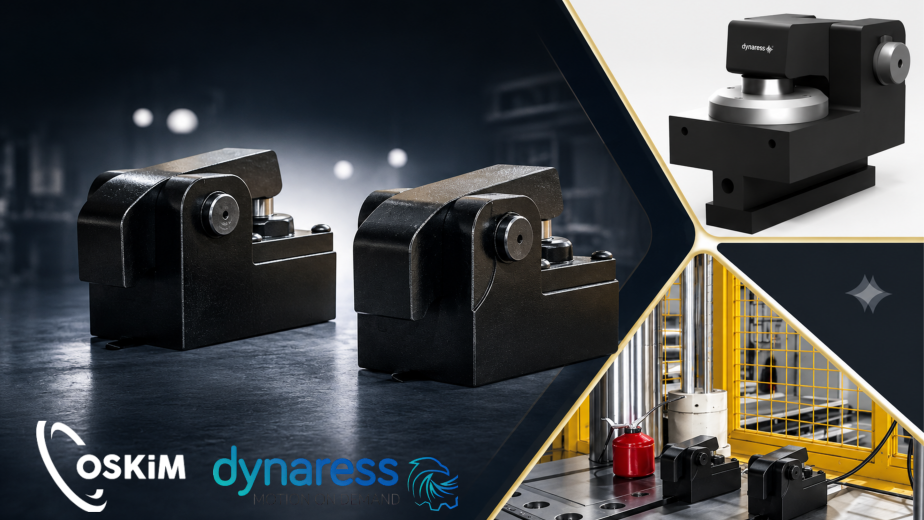
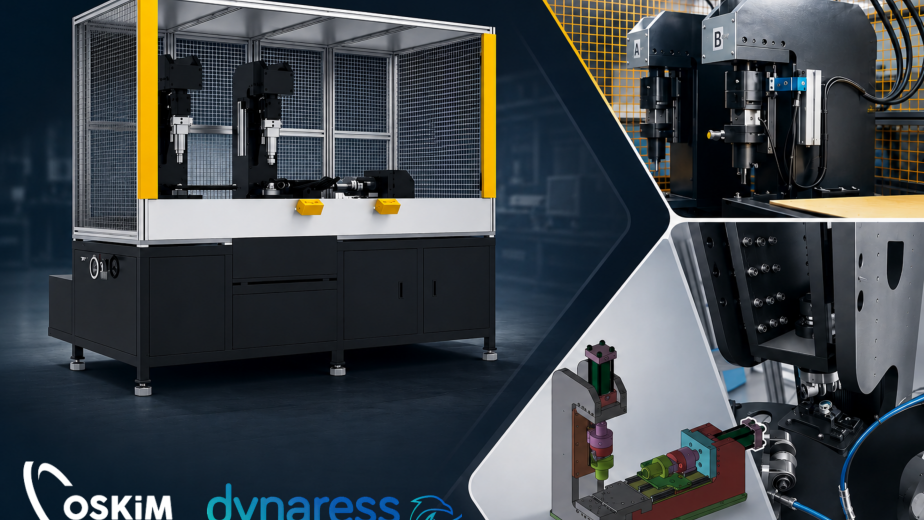
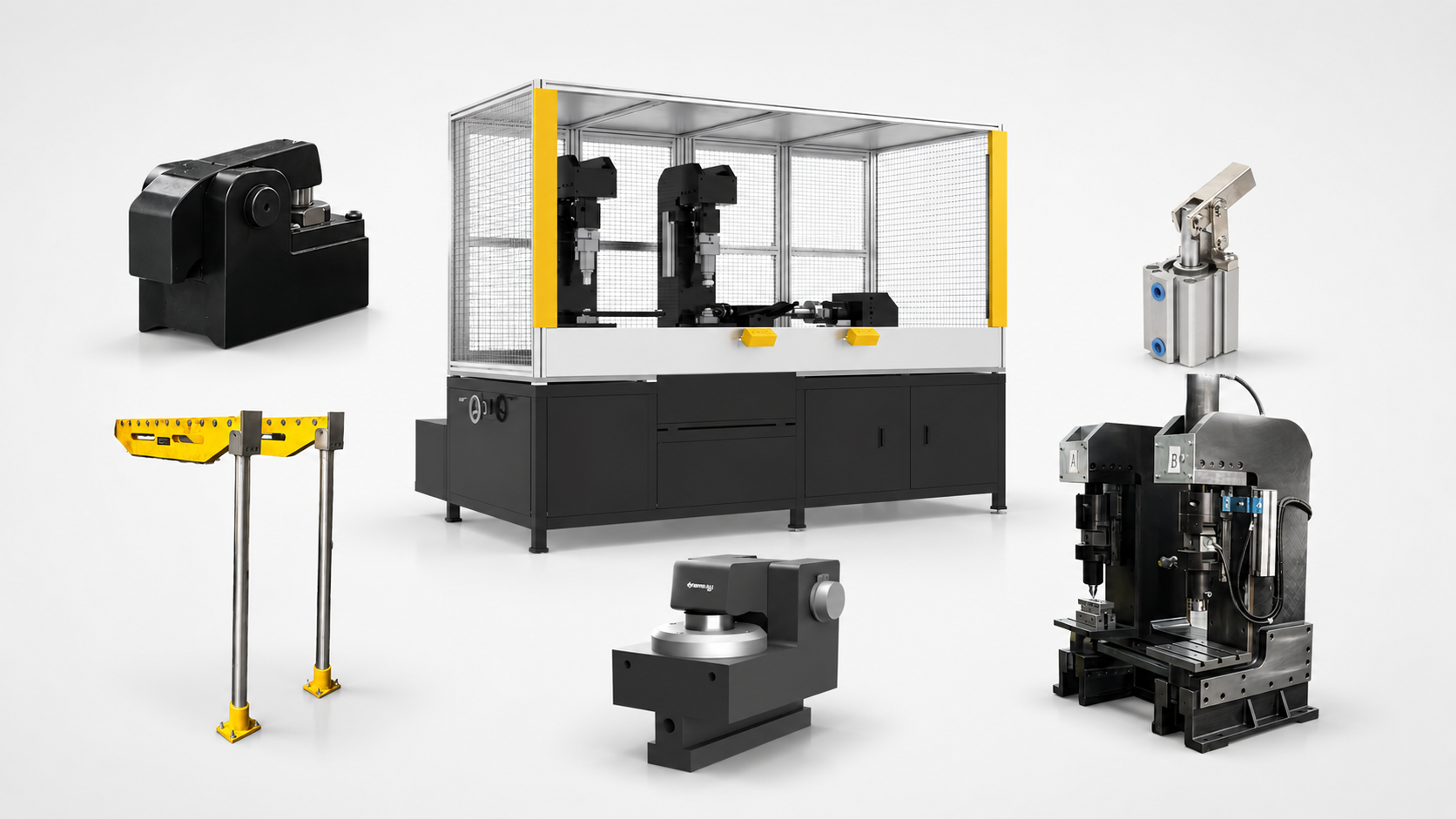
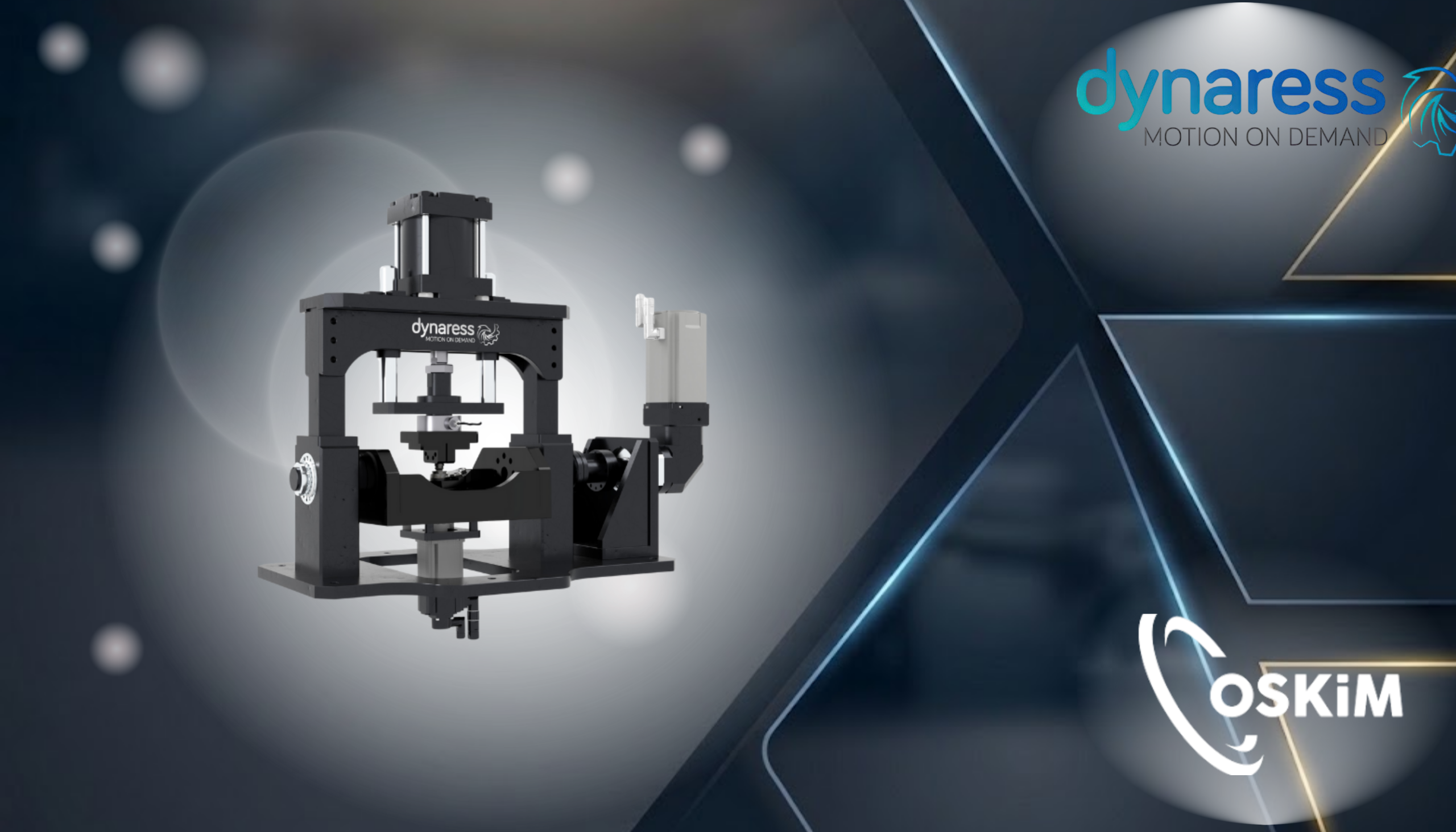
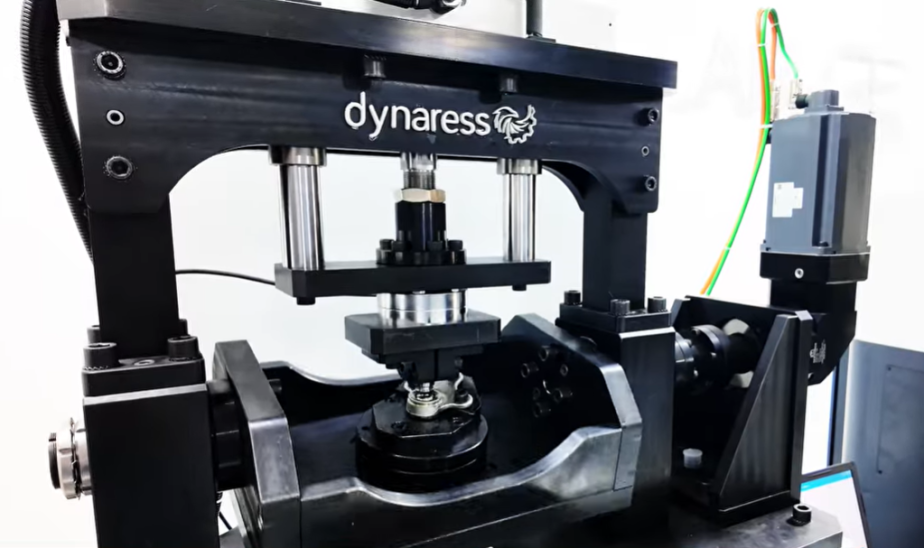
A ball joint is one of the smallest and hardest-working parts of a vehicle. You can find out how many kilometres it will survive in the field, but the price of that lesson is warranty claims, recalls, and sometimes accidents. This is why the automotive industry prefers to move those kilometres into the laboratory before the part ever reaches the road. The ball joint fatigue testing system developed by Dynaress was built for exactly this purpose; you can take a look at it at test-sytems. What follows, however, is less about the machine and more about the test itself: why it is carried out, what it actually measures, and what it delivers to a manufacturer.
A part that wears out quietly
The ball joint connects the suspension to the steering system through a spherical joint. It allows the wheel to travel up and down while simultaneously letting it turn left and right. In other words, it works at every bump, every corner, and every braking event — and it never rests.
The spherical stud inside it slides continuously within its bearing seat. That friction does not break the part suddenly; it wears it away slowly. As the wear accumulates, free movement develops in the joint — what the industry calls play. The driver notices it first as a knock over bumps, then as looseness in the steering, and finally as unevenly worn tyres.
The problem is that by the time these symptoms appear, the part is already near the end of its life. A ball joint is a safety component: excessive play is treated as a major defect at vehicle inspection, and a failed joint can change the wheel angle and cause a loss of steering control. The life of this part is therefore something to be measured, not estimated.
What does a fatigue test actually do?
The logic of fatigue testing is simple: apply a load that is not large enough to break the part, and repeat it a great many times. Wear that would spread across hundreds of thousands of kilometres in real life is compressed into weeks in the laboratory. Tests running up to a million cycles are, in effect, a way of living through the part’s service life in advance.
But with a ball joint, asking “did it break?” is not enough, because a ball joint usually fails by loosening rather than by fracturing. So the test tracks the part’s behaviour as closely as its integrity: when play began to grow, when the joint’s movement resistance dropped, at which cycle the performance curve turned. The resulting picture is the real service-life record of that ball joint.
A ball joint usually fails by loosening rather than fracturing. The test therefore answers less “did it survive?” and more “when and how did it begin to change?”
Why loading in a single direction is not enough
A ball joint never works in one direction in the field. When a vehicle hits a pothole, the part is pushed from below, rotated by the steering angle, and swung by the suspension travel — all at the same moment, and each effect influencing the others.
Loading the part in a single direction in the laboratory means giving it a life it will never actually experience. The result is usually optimistic: the part passes the test and then fails earlier than expected on the road. This is why a credible ball joint test applies axial, rotational, and angular loading simultaneously. The aim is not simply to stress the part, but to convince it that it is genuinely out on the road.
What does the test deliver to a manufacturer?
Fatigue testing looks like a quality procedure, but it is a commercial instrument. Its returns can be summarised as follows:
- Lower warranty and field-return costs. A weakness discovered in the field costs many times more than the same weakness discovered in the laboratory.
- Design decisions backed by measurement. When the bearing material, the grease type, or the assembly tightness changes, the effect is seen as a life curve rather than guessed at.
- Customer approval and competitive strength. OEMs no longer accept a claim of durability; they ask for a test report with cycle counts and curves attached.
- Freedom from over-engineering. A manufacturer who does not know the real limit of a part adds material to stay safe. Testing removes that margin — weight and cost improve together.
- Documented safety responsibility. For a safety-critical component, a record showing the product was validated is not only a quality asset but a legal one.
An untested part is tested on the road
Every ball joint gets tested sooner or later. It happens either in a controlled laboratory or in the customer’s vehicle. In the first case the outcome is a report and a design improvement; in the second, a service record, a recall, or something worse.
This is where the real function of fatigue testing becomes clear: it does not extend the life of a part — it makes that life knowable in advance. From an engineering point of view, a known limit is always worth more than an assumed one.
Conclusion
The ball joint is among the components whose deterioration is noticed last and whose failure carries the heaviest consequences. Measuring its service life is a direct safety benefit for the manufacturer and the driver alike. For detailed information on the Dynaress three-axis, hydraulic-free, fully electric ball joint fatigue testing system, please visit test system.
References
- Little, E. — Standards and Approaches for Ball Joint Durability Testing, MTS Systems, Automotive Testing Expo, Stuttgart, 2008. ukintpress-conferences.com/conf/08txeu_conf/pdf/day_1/01-02-little.pdf
- MTS Systems — Ball Joint Test Systems product page. mts.com/en/products/automotive/subsystem-component-test-systems/ball-joint-test-systems
- OSKİM Otomotiv — Süspansiyon Sistemi Nedir? (What Is a Suspension System?). oskim.com.tr/suspansiyon-sistemi-nedir/
- CanCan Oto — Rot ve Rotil Arızaları (Tie Rod and Ball Joint Failures), 2026. cancanoto.com/rot-ve-rotil-arizalari/
- Opel Yedek Parça Online — Rotil Nedir? Arızası Nasıl Anlaşılır? (What Is a Ball Joint? How Is Failure Identified?). opelyedekparcaonline.com/blog/icerik/rotil-nedir-arizasi-nasil-anlasilir
- Dynaress — Ball Joint Fatigue Testing System product description. dynaress.com/tr/uretim-makineleri/